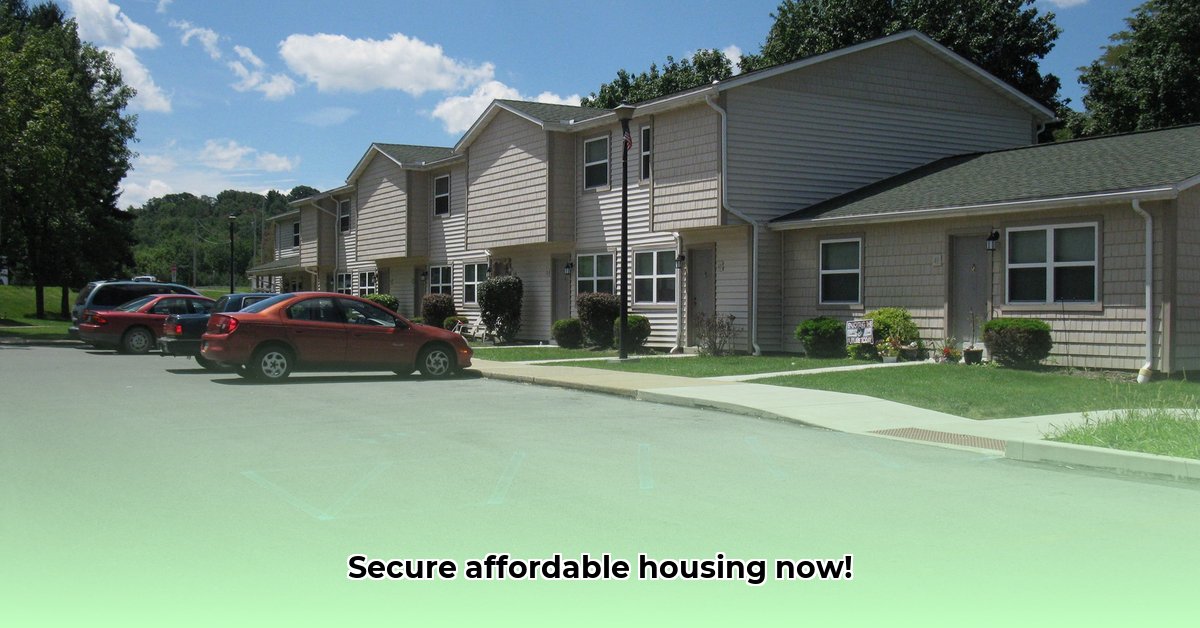
Finding affordable housing can be challenging. The Hastings Housing Authority (HHA) offers the Housing Choice Voucher (HCV) program to assist low-income families, but navigating the process can be complex. This guide provides a comprehensive overview of the HCV program, addressing common challenges and offering actionable steps for all stakeholders.
Understanding the Hastings Housing Choice Voucher Program
The HHA's HCV program provides rental assistance, allowing eligible families to lease privately owned housing. It's not a direct housing provision; instead, the HHA assists in finding suitable housing and pays a portion of the rent. How much assistance offered depends on the tenant's income and the area's fair market rent. The program aims to ensure safe and decent housing for low-income families. But how does one apply?
Eligibility Requirements and Application Process
Before applying, understand the eligibility criteria. These generally include U.S. citizenship or eligible immigration status, income restrictions (based on family size and area median income), and a background check. It's crucial to gather the necessary documentation before beginning the application.
The Application Process:
- Gather Documents: Assemble proof of income (pay stubs, tax returns), identification, and household information. (A complete application significantly reduces processing time.)
- Complete Application: Fill out the application accurately and completely. (Missing information leads to delays.)
- Submit Application: Submit your application through the HHA's specified method, typically online or in person.
- Verification: Allow time for the HHA to verify your information. (This process can take 30-60 days.)
- Waitlist: Once verified, your application is placed on a waiting list. (Wait times vary but can be 12-18 months.)
- Voucher Issuance: Upon reaching the top of the waitlist, you'll receive a voucher to search for suitable housing.
Isn't it frustrating to wait so long? How can the HHA improve this lengthy process? Let's explore the challenges and potential solutions.
Challenges and Opportunities for Improvement
The HHA faces significant challenges, primarily long wait times and the lack of emergency housing assistance for families facing immediate housing crises. The current level of funding and resources are not keeping up with the demand for subsidized housing. However, several opportunities exist for improvement:
Challenges:
- Long Wait Times: The substantial number of applications vastly exceeds the available vouchers.
- Limited Emergency Assistance: The program currently lacks provisions for families facing immediate housing emergencies.
Opportunities:
- Streamlined Processes: The HHA could improve efficiency by streamlining its application process using technology and improved communication.
- Increased Funding: Additional funding from the city of Hastings and HUD would significantly increase the number of available vouchers and reduce wait times.
- Partnerships: Collaboration with local organizations could provide emergency housing support.
Data shows that only 477 subsidized units are currently available. What impact does this have on the community, and how can we create positive change?
Actionable Steps for Stakeholders
Addressing these challenges requires collaborative efforts from all stakeholders. Here’s a breakdown of actionable steps:
Hastings Housing Authority (HHA):
- Short-term: Implement an online application system, regularly update applicants on their application status, and improve internal communication.
- Long-term: Seek additional funding, explore partnerships with local organizations for emergency housing, and develop a robust communication strategy.
Applicants:
- Short-term: Prepare all necessary documentation beforehand and respond promptly to any HHA inquiries.
- Long-term: Advocate for program improvements and increased city and HUD funding.
City of Hastings:
- Short-term: Allocate additional funding to the HHA and support initiatives to increase affordable housing.
- Long-term: Develop a comprehensive affordable housing plan that addresses multiple aspects of the issue.
U.S. Department of Housing and Urban Development (HUD):
- Short-term: Evaluate the funding provided to the HHA and consider a substantial increase.
- Long-term: Review and update regulations, ensuring they are efficient and effective.
How can we mitigate the risks associated with these issues, ensuring the long-term success of the program?
Risk Assessment and Mitigation
| Risk Category | Likelihood | Impact | Mitigation Strategy |
|---|---|---|---|
| Long Wait Times | High | High | Increased funding; process improvements; improved technology |
| Insufficient Funding | Medium | High | Explore grants; seek public-private partnerships; efficient budget allocation |
| Inefficient Processes | Medium | Medium | Implement technology; improve staff training; process simplification |
| Lack of Emergency Housing | High | High | Partner with local shelters; explore emergency funding options; establish a rapid response system |
Conclusion
The Hastings Housing Choice Voucher Program plays a vital role in providing affordable housing. By proactively addressing the challenges and implementing the outlined actionable steps, all stakeholders can contribute to a more efficient, equitable, and effective program. The goal is to create a system that ensures access to safe, affordable housing for all eligible residents of Hastings.